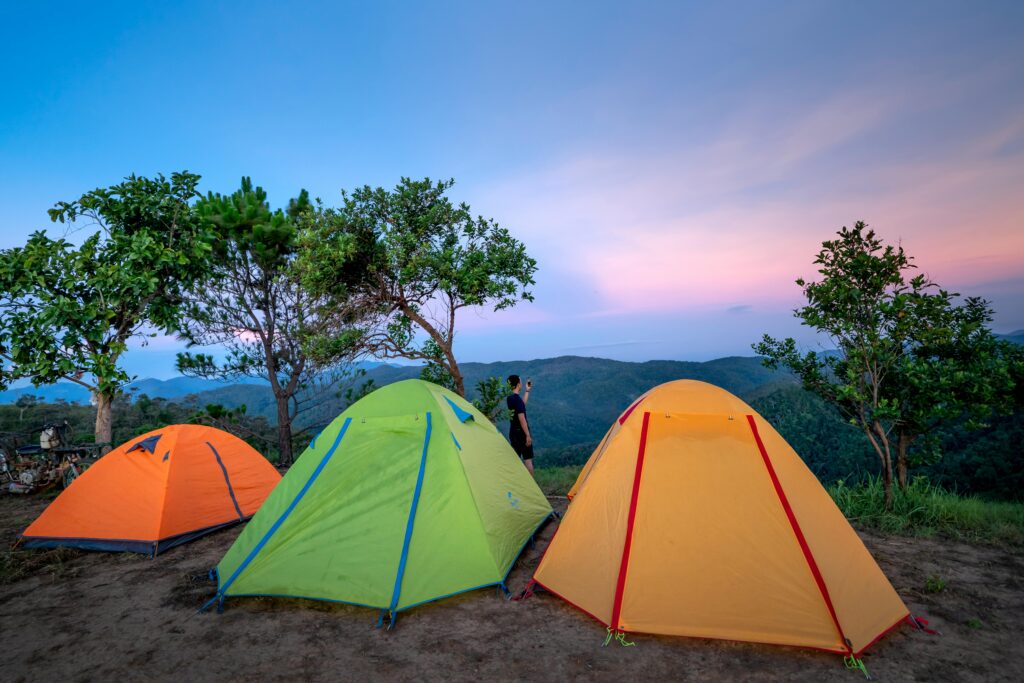
Getting into backpacking doesn’t mean you need to spend a fortune on a tent. In fact, many beginners overspend early, only to realize later that they paid for features they didn’t really need.
The good news is that there are plenty of reliable backpacking tents under $200 that provide solid weather protection, reasonable weight, and enough space to stay comfortable on the trail. For weekend trips, section hikes, and most beginner adventures, these tents are more than capable.
In this guide, we’ll break down the best budget backpacking tents under $200, focusing on real-world durability, ease of setup, weight, and overall value. These are practical picks for hikers who want dependable shelter without blowing their budget.
How to Choose a Budget Backpacking Tent (Quick Guide)
Before jumping into specific recommendations, it helps to understand what actually matters in a budget backpacking tent.
Weight vs. Durability
For beginners, a tent weighing 3–5 pounds is perfectly reasonable. Ultralight tents are nice, but they often cost more and can be less forgiving if you’re still learning how to set up camp efficiently.
1-Person vs. 2-Person Tents
Many solo backpackers prefer a 2-person tent for extra room to store gear and move around comfortably. A 1-person tent saves weight, but space can feel tight, especially on longer trips or in bad weather. I find a 2-person tent more comfortable on longer excursions, but it doesn’t stop me from using a 1-person on trips that I am trying to crush miles on and keeping my pack weight down.
Freestanding vs. Trekking-Pole Tents
Freestanding tents are generally easier for beginners. They’re simpler to pitch, work well on rocky ground, and don’t require trekking poles. Trekking-pole tents can be lighter, but they add complexity.
Season Rating
A 3-season tent is all most backpackers need. It will handle spring, summer, and fall conditions, including rain and light wind.
Best Budget Backpacking Tents Under $200
Naturehike Cloud Up 2
The Naturehike Cloud Up 2 is one of the most popular budget backpacking tents for a reason. It strikes a great balance between weight, space, and price, making it an excellent all-around option for beginners.
- Weight: Around 3.5–4 lbs (depending on version)
- Setup: Simple freestanding design
- Best for: Solo hikers who want extra space or lightweight couples
Pros
- Lightweight for the price
- Packs down small
- Good weather protection for a 3-season tent
Cons
- Interior space is snug for two people
- Materials aren’t as rugged as premium tents
- https://amzn.to/49Z4wcr
REI Co-op Passage 2
The REI Co-op Passage 2 is one of the most beginner-friendly backpacking tents available. It’s slightly heavier than some alternatives, but it makes up for that with durability and a very forgiving setup.
- Weight: Around 5 lbs
- Setup: Extremely straightforward
- Best for: First-time backpackers who want reliability over minimal weight
Pros
- Durable materials
- Easy setup, even in poor conditions
- Good ventilation
Cons
- Heavier than other options
- Larger packed size
ALPS Mountaineering Lynx 1 / Lynx 2
The ALPS Mountaineering Lynx series is known for toughness and value. While not the lightest tents on this list, they’re well-built and reliable, especially for budget-minded hikers.
- Weight: 4–5.5 lbs depending on size
- Setup: Simple freestanding design
- Best for: Backpackers who prioritize durability
Pros
- Very durable for the price
- Good weather resistance
- Affordable
Cons
- Heavier than comparable tents
- Bulkier packed size
👉 https://amzn.to/49Z4wcr https://amzn.to/4rpiIkO
Kelty Late Start 2
The Kelty Late Start 2 is a solid option for hikers who want a straightforward, no-nonsense tent that performs well in fair to moderate conditions.
- Weight: Around 4.5 lbs
- Setup: Quick and intuitive
- Best for: Weekend trips and beginner backpackers
Pros
- Easy to pitch
- Good airflow
- Comfortable interior layout
Cons
- Not the lightest option
- Weather resistance is adequate but not exceptional
What Beginners Often Get Wrong When Buying a Tent
Many new backpackers make the same mistakes when choosing a tent. Avoiding these can save you money and frustration.
- Buying too small: Extra space is worth a little added weight.
- Chasing ultralight too early: Lightweight gear is nice, but durability matters more at first.
- Ignoring packed size: Make sure the tent fits comfortably in or on your pack.
- Overpaying for features: You don’t need premium materials for your first few seasons.
Is a $200 Backpacking Tent Good Enough?
For most beginners, yes — absolutely.
A well-chosen budget tent can handle:
- Weekend trips
- Multi-day hikes
- Typical 3-season weather
As your experience grows, you may eventually upgrade to lighter or more specialized gear. But starting with a reliable budget tent lets you focus on learning skills, not worrying about damaging expensive equipment.
Final Thoughts
Backpacking doesn’t have to be expensive to be enjoyable. The tents listed here prove that you can get dependable shelter under $200 without sacrificing comfort or safety.
If you’re just starting out, pick a tent that fits your needs, get outside, and learn what matters most to you on the trail. Gear can always be upgraded later — experience is what really counts.
If you’re building a full kit on a budget, check out our complete guide to budget backpacking gear for beginners under $500, where we break down everything you need to get started without overspending.
-
Best Budget Backpacking Tents Under $200 (Beginner-Friendly Picks)
Getting into backpacking doesn’t mean you need to spend a fortune on a tent. In…
-
Best Backpacking Gear for Beginners Under $500
By David Moxon Rough and Rugged Outdoors Who This Backpacking Gear List Is For This…

Leave a Reply