By David Moxon Rough and Rugged Outdoors
Read more: Best Backpacking Gear for Beginners Under $500
Who This Backpacking Gear List Is For
This backpacking gear list is designed for beginners and intermediate hikers who want reliable equipment without spending a fortune.
If you’re new to backpacking, upgrading from car camping gear, or planning weekend trips and section hikes, this guide focuses on affordable, durable gear that works in real-world conditions—not influencer hype or premium-only options.
What “Budget” Really Means for Backpacking Gear
Budget backpacking doesn’t mean buying the cheapest gear available—it means spending money where it matters and saving where it doesn’t.
This guide focuses on gear that balances cost, durability, and performance. The goal is to build a complete backpacking setup under $500 that’s reliable enough for multiple seasons and can be upgraded over time as your experience grows.
The Best Backpacking Gear for beginners (under$500)
Backpack
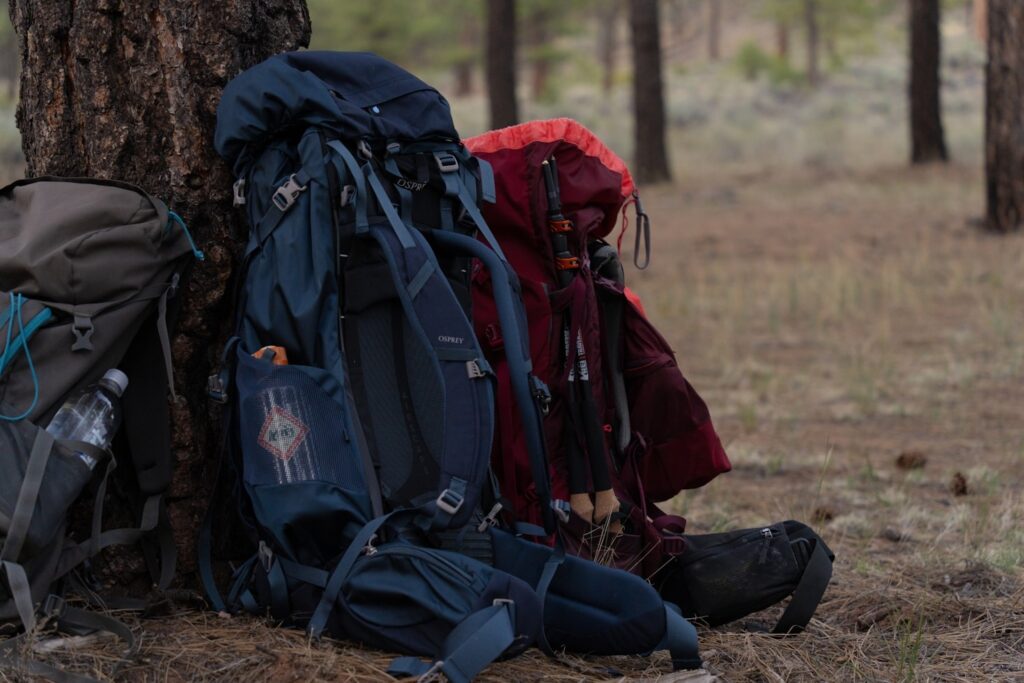
A backpack is one of the most important pieces of gear for beginners. Comfort, fit, and durability matter more than having the lightest pack on the market.
For budget setups, a 50–65 liter pack is ideal for most beginners, offering enough space without forcing you to overpack.
Goal: Comfortable carry, 45–60L, durable, affordable
Solid Budget Options
- REI Co-op Trailbreak 60
Reliable suspension, beginner-friendly fit, frequently on sale
Typical price: $99–$139 - Teton 65l Explorer
Excellent value, strong frame, very popular with budget backpackers
Typical price: $90–$130
Budget-friendly packs like the REI Co-op Trailbreak 60 or the TETON 65L Explorer provide solid suspension, adjustable fit, and durability at a fraction of the cost of premium ultralight packs. They may weigh a little more, but for beginners, comfort and reliability matter far more than shaving ounce
Why this works:
Beginners don’t need ultralight packs. These carry weight comfortably and last multiple seasons.
Tent
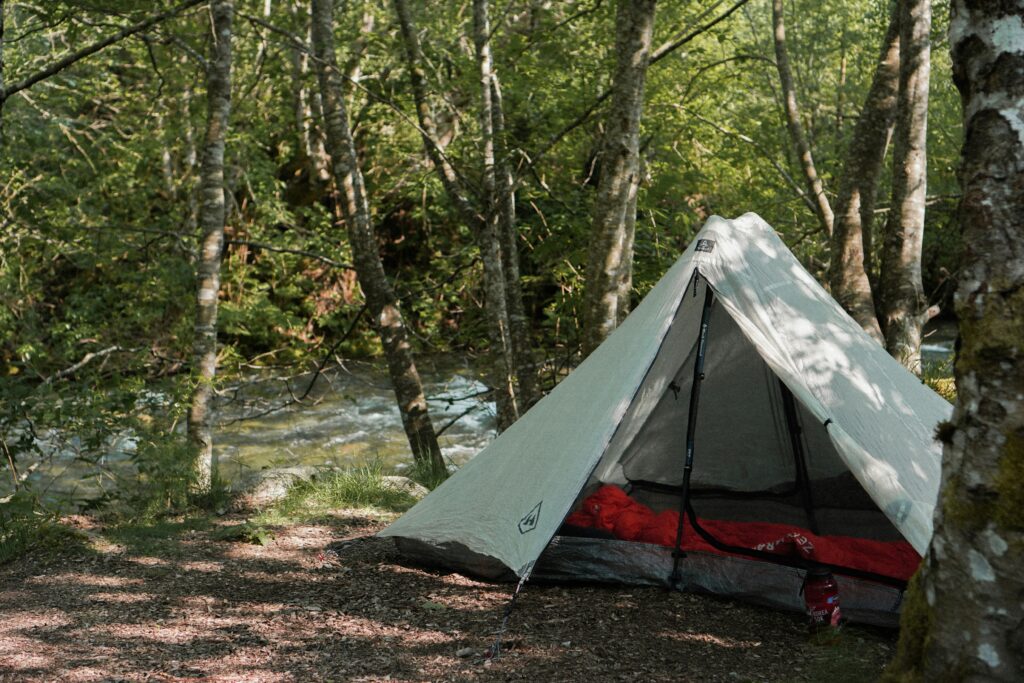
For beginners, a backpacking tent should prioritize weather protection, ease of setup, and durability over extreme weight savings.
A simple two-person backpacking tent is often the best choice, even for solo hikers, because it offers more room for gear and comfort without adding excessive weight.
Goal: Simple setup, weather protection, 3-season use
- Naturehike Cloud Up 1 or 2
Lightweight, proven design, great value for the price
Typical price: $110–$160 - Alps Mountaineering Lynx1
Excellent weather resistance, durable materials
Typical price: $140–$180
Budget Tip:
A 2-person tent is often more comfortable for solo beginners and only slightly heavier.
Value-focused tents like the Naturehike Cloud Up series or the Alps Mountaineering Lynx1 offer excellent rain protection, reasonable packed weight, and proven designs at beginner-friendly prices. Many new backpackers prefer a two-person tent for solo trips because the extra room adds comfort with minimal added weight.
Sleeping Bag
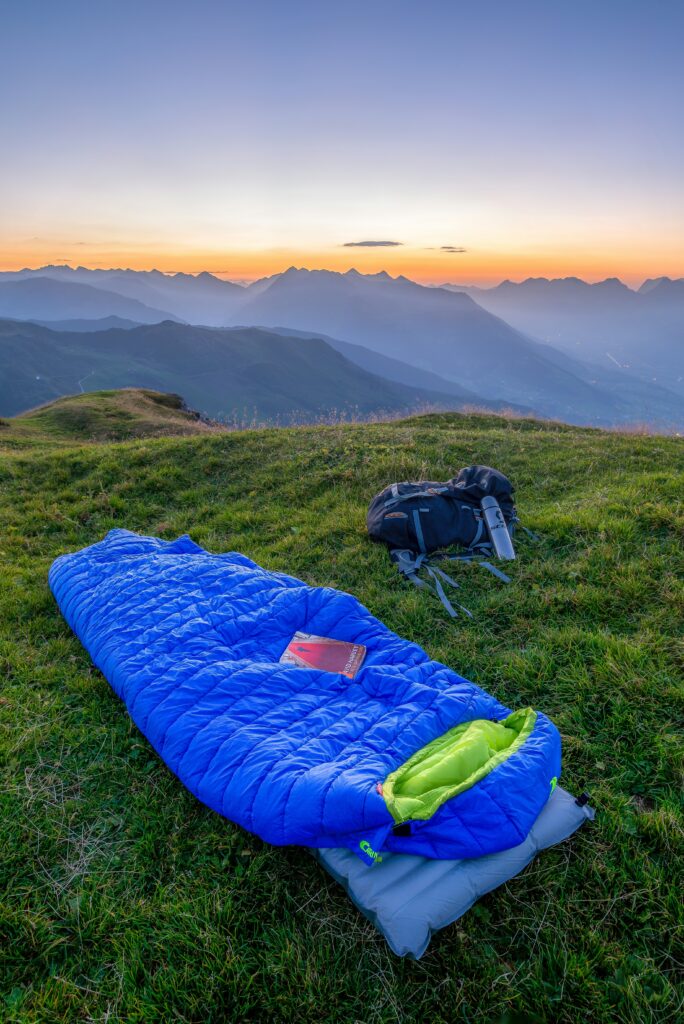
A sleeping bag plays a major role in comfort and safety. Beginners should focus on temperature rating and insulation quality rather than ultra-light materials.
A bag rated for 20–30°F works well for most three-season trips and provides a safety buffer for unexpected cold nights.
Goal: Warmth + reliability (not ultralight hype)
Budget-Friendly Sleeping Bags
- Kelty Cosmic 20
Down insulation, trusted beginner favorite
Typical price: $140–$170 - Teton Sports Trailhead 20
Synthetic insulation, budget-friendly, durable
Typical price: $90–$120
Why this matters:
A good sleeping bag is worth spending a little more on—cold nights ruin trips.
Reliable budget options like the Kelty Cosmic 20 or the Teton Sports Trailhead 20 strike a strong balance between warmth, durability, and price. A 20-degree rating works well for most three-season trips and provides a buffer for colder-than-expected nights.
Sleeping Pad
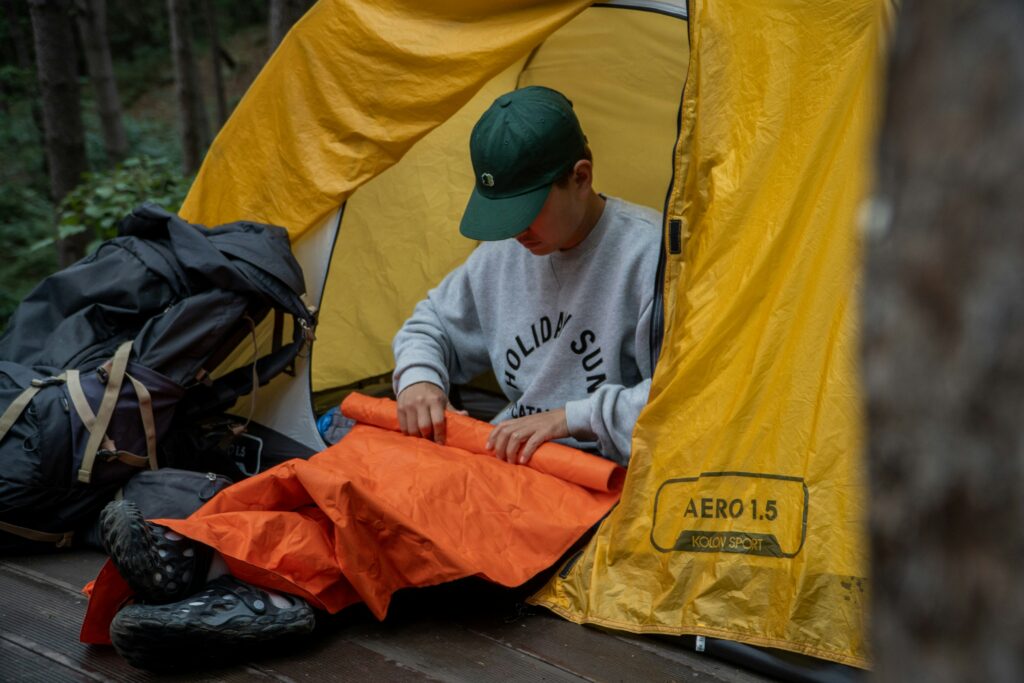
Sleeping pads provide insulation from the ground and add comfort after long days on the trail. Many beginners underestimate how important a pad is for warmth and sleep quality.
An insulated inflatable or foam pad offers a good balance of comfort, weight, and reliability for budget backpacking setups.
Goal: Insulation from ground + comfort
Affordable Pads That Work
- NEMO Switchback (Foam)
Light, durable, no failure risk
Typical price: $45–$55 - Klymit Static V
Comfortable inflatable option at a low cost
Typical price: $50–$65
Expert Tip:
Pads matter as much as bags for warmth—don’t skip insulation.
Affordable pads like the NEMO Switchback foam pad or the Klymit Static V inflatable offer dependable insulation and comfort without stretching your budget. Foam pads are nearly indestructible, while inflatables offer more comfort at a slightly higher cos
Backpacking Stove
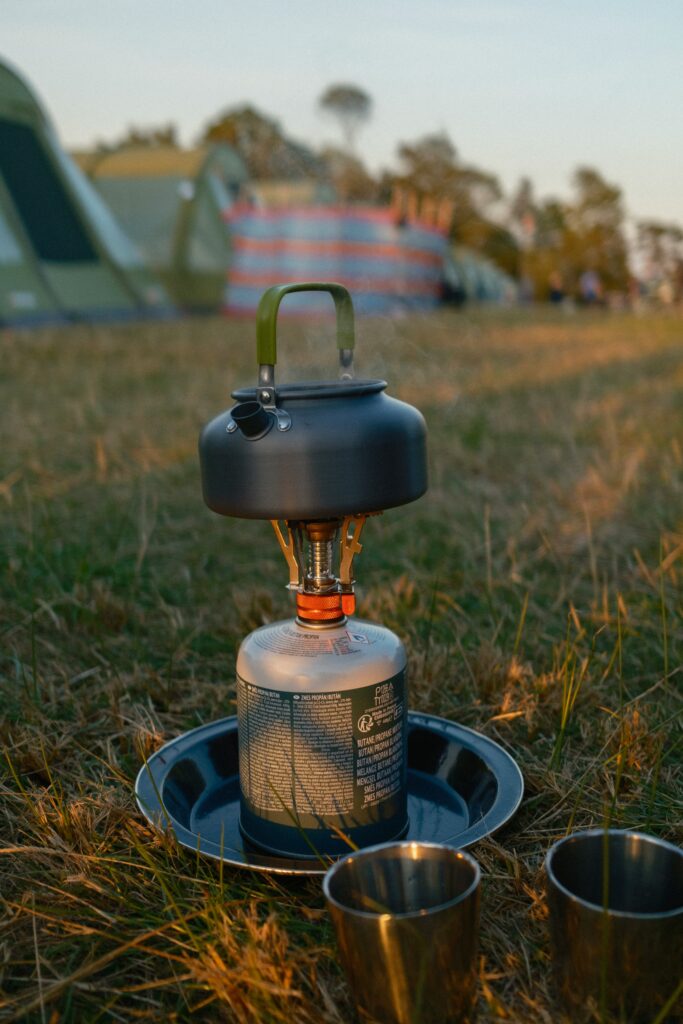
A backpacking stove should be simple, reliable, and fuel-efficient. Beginners benefit from stoves that are easy to light and maintain rather than multi-fuel systems with complicated parts.
Small canister stoves are lightweight, affordable, and widely available, making them an excellent starting option.
Goal: Simple, reliable, cheap
Budget Stove Picks
- BRS-3000T Canister Stove
Extremely popular budget stove, lightweight
Typical price: $15–$20 - Coleman Peak 1 / Similar Canister Stove
Slightly heavier but very reliable
Typical price: $25–$35
Budget canister stoves like the BRS-3000T or similar compact models boil water efficiently and are easy to use with minimal maintenance. Paired with a small pot, they’re more than capable of handling beginner meals like freeze-dried food, pasta, or coffee.
Cook Kit
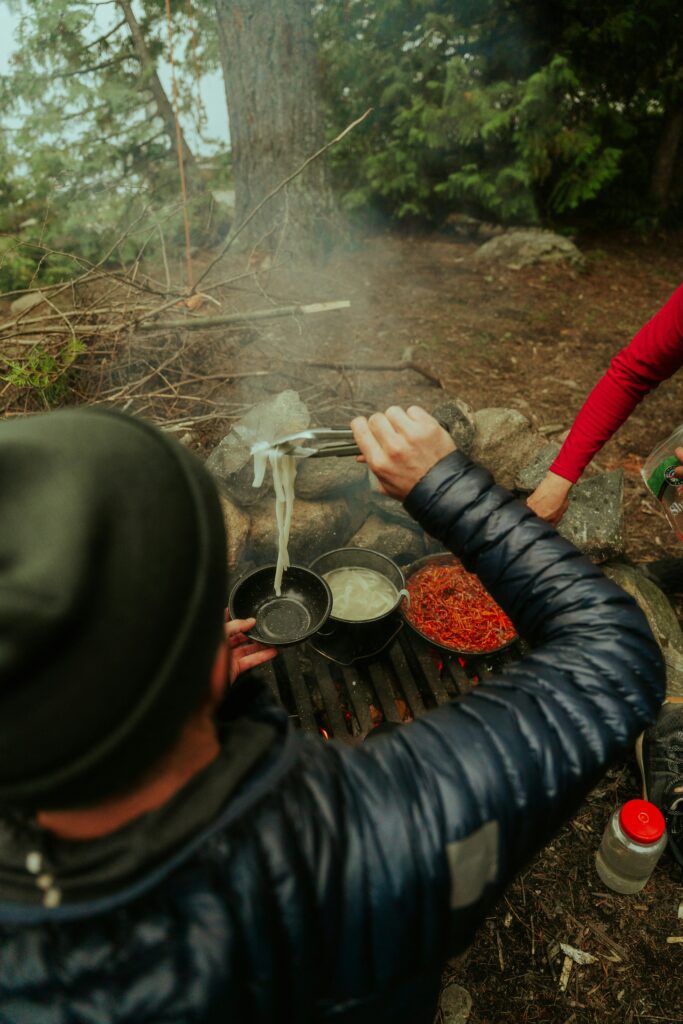
A cook kit doesn’t need to be complicated. A single pot, lid, and basic utensil are more than enough for most beginner meals.
Avoid bulky cookware sets designed for car camping, as they add unnecessary weight without improving functionality on the trail.
Goal: Minimal, lightweight, functional
Simple Cook Options
- Toaks-Style 750–900ml Titanium Pot (or aluminum alternative)
Boils water, cooks simple meals
Typical price: $20–$35 - Budget Titanium Backpacking Pot + Spoon
Cheaper and perfectly functional
Typical price: $15–$25
Budget aluminum or titanium pots in the 750–900ml range are versatile, pack small, and keep costs low. Skipping oversized cook sets saves both weight and money.
Water Filtration
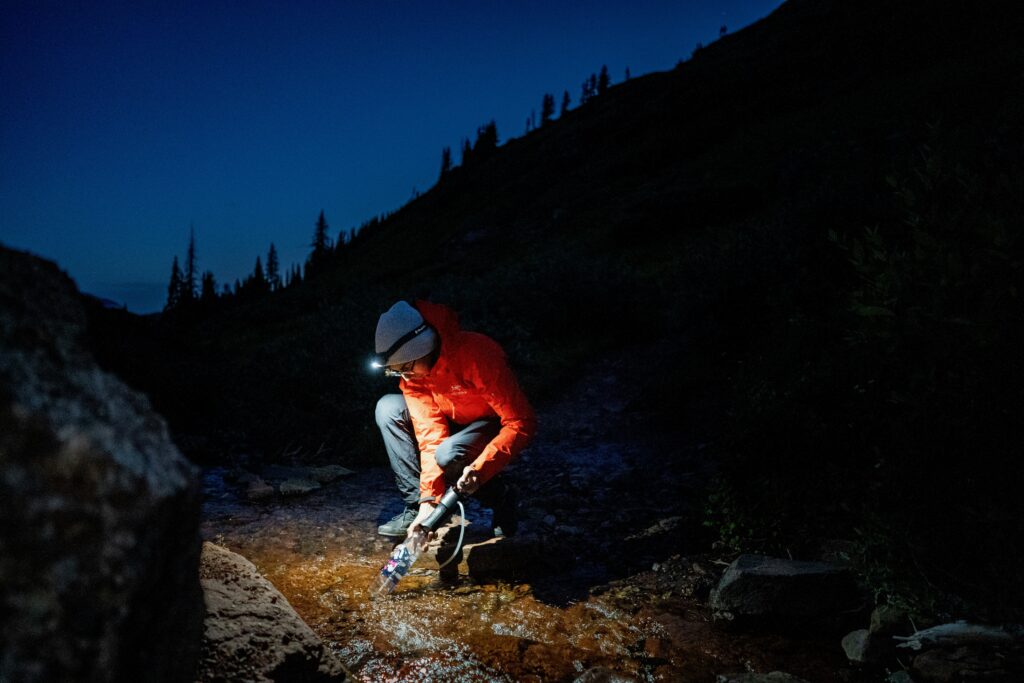
Safe drinking water is essential for backpacking. Beginners should choose a water filtration method that is lightweight, reliable, and easy to use in the field.
Simple squeeze filters or gravity systems are popular because they work quickly and require minimal maintenance.
Goal: Safe drinking water, easy use
Trusted Budget Filters
- Sawyer Mini
Lightweight, proven, very affordable
Typical price: $20–$25 - Sawyer Squeeze
Faster flow, slightly heavier
Typical price: $35–$45
Why Sawyer:
Widely trusted, easy to replace, beginner-proof.
Filters like the Sawyer Mini or Sawyer Squeeze are popular budget options because they work with common bottles, require little maintenance, and are trusted by backpackers worldwide.
Headlamp
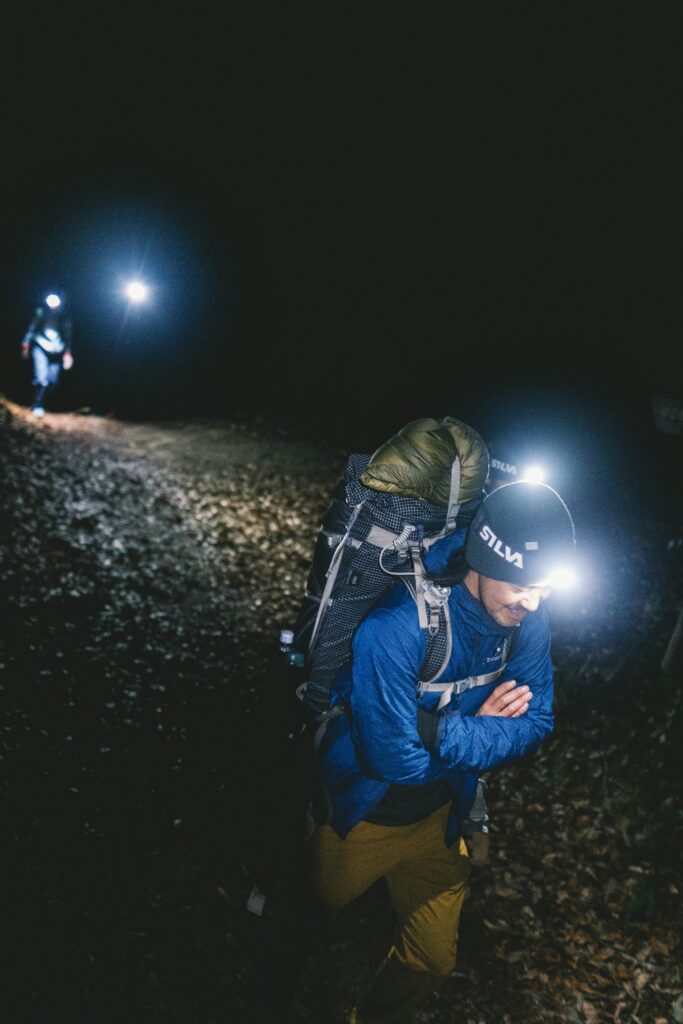
A headlamp is safer and more practical than a handheld flashlight because it keeps your hands free for camp tasks.
Look for a headlamp with adjustable brightness and good battery life rather than excessive lumen output.
Goal: Hands-free light, good battery life
Affordable Headlamps
- Black Diamond Spot
Reliable and durable
Typical price: $30–$45 - Petzl Tikkina / Tikka
Simple, dependable lighting
Typical price: $25–$40
Simple, durable headlamps from brands like Black Diamond or Petzl provide adjustable brightness and long battery life without unnecessary features. For beginners, reliability matters more than maximum lumen output.
Clothing Basics
Backpacking clothing should focus on layering and moisture management rather than fashion or heavy insulation.
Synthetic or wool base layers, a lightweight insulating layer, and a basic rain jacket form a flexible system that works in most three-season conditions. Synthetic or wool layers dry faster and regulate temperature better than cotton. Cotton should be avoided because it retains moisture and dries slowly.
Goal: Layering, moisture control (not fashion)
Budget Clothing Strategy
- Synthetic or merino base layer
- Lightweight fleece or puffy
- Simple rain jacket
- Wool or synthetic socks
Budget Range: $50–$100 (can be cheaper using what you already own)
What Beginners Should Avoid Buying
Many beginners overspend on gear they don’t need or buy items that look good online but fail in real conditions.
Avoid ultra-cheap no-name gear, oversized packs, unnecessary gadgets, and heavy equipment designed for car camping. Starting simple and upgrading later saves money and frustration.
Budget vs Upgrade Gear: What to Replace First
As you gain experience, some budget gear will be worth upgrading. Typically, the first upgrades most backpackers make are their sleeping system and backpack.
Starting with affordable gear allows you to learn what matters most for your style of backpacking before investing in higher-end equipment.
Frequently Asked Questions
How much should beginners spend on backpacking gear?
Most beginners can build a reliable backpacking setup for $400–$500 by focusing on value and skipping unnecessary extras.
Is cheap backpacking gear safe?
Affordable gear from reputable brands can be safe and effective. Extremely cheap, untested gear is what should be avoided.
Should beginners buy ultralight gear?
Ultralight gear is expensive and not necessary for beginners. Durability and comfort are more important early on.
Disclosure: Some of the links in this article are affiliate links. If you click a link and make a purchase, we may earn a commission at no additional cost to you.
As an Amazon Associate I earn from qualifying purchases.
Leave a Reply